
Docker Login To Artifactory
Docker Login To Artifactory - Log into artifactory from docker: This will all be done on an ubuntu 16.04. When authenticating using oauth you will not need to provide additional. In this article, we will show you how to pull docker images from artifactory. Within 1 minute you can be set up to apply docker push and docker pull using artifactory as your secure, private docker registry. Use the docker client to log in to the artifactory repository with your credentials: To use the docker client with one of our artifactory cloud docker repositories, we can use the native docker client to login to each docker repository, pull, and push images. Then, we will upload a docker image to the repository. You can analyze artifactory images for vulnerabilities locally using docker desktop or the docker cli. The steps to use a docker api key to log in to an artifactory registry are as follows: You can analyze artifactory images for vulnerabilities locally using docker desktop or the docker cli. Log into artifactory from docker: When authenticating using oauth you will not need to provide additional. Includes instructions on how to configure your docker client and artifactory, create a repository in artifactory, and push a. We will start by creating a new repository in artifactory. Within 1 minute you can be set up to apply docker push and docker pull using artifactory as your secure, private docker registry. To use the docker client with one of our artifactory cloud docker repositories, we can use the native docker client to login to each docker repository, pull, and push images. Then, we will upload a docker image to the repository. You need to wrap your code with. Initially, go to the artifactory instance and log in. To use the docker client with one of our artifactory cloud docker repositories, we can use the native docker client to login to each docker repository, pull, and push images. The steps to use a docker api key to log in to an artifactory registry are as follows: Artifactory supports authentication of the docker client using oauth through the default. When authenticating using oauth you will not need to provide additional. You need to wrap your code with. Use the docker client to log in to the artifactory repository with your credentials: To use the docker client with one of our artifactory cloud docker repositories, we can use the native docker client to login to each docker repository, pull, and. The steps to use a docker api key to log in to an artifactory registry are as follows: Includes instructions on how to configure your docker client and artifactory, create a repository in artifactory, and push a. Artifactory supports authentication of the docker client using oauth through the default github oauth provider. Log into artifactory from docker: Within 1 minute. Then, go to the profile or user settings. Use the docker client to log in to the artifactory repository with your credentials: Includes instructions on how to configure your docker client and artifactory, create a repository in artifactory, and push a. We will start by creating a new repository in artifactory. You need to wrap your code with. Log into artifactory from docker: Then, we will upload a docker image to the repository. This will all be done on an ubuntu 16.04. Artifactory supports authentication of the docker client using oauth through the default github oauth provider. Artifactory supports docker transparently, meaning you can point the docker client at artifactory and issue push, pull and other commands in. You first need to authenticate with jfrog artifactory using the docker login command. Initially, go to the artifactory instance and log in. Within 1 minute you can be set up to apply docker push and docker pull using artifactory as your secure, private docker registry. The steps to use a docker api key to log in to an artifactory registry. Use the docker client to log in to the artifactory repository with your credentials: This will all be done on an ubuntu 16.04. The steps to use a docker api key to log in to an artifactory registry are as follows: Log into artifactory from docker: You can analyze artifactory images for vulnerabilities locally using docker desktop or the docker. Then, go to the profile or user settings. Initially, go to the artifactory instance and log in. You need to wrap your code with. Log into artifactory from docker: We will start by creating a new repository in artifactory. We will start by creating a new repository in artifactory. Artifactory supports authentication of the docker client using oauth through the default github oauth provider. When authenticating using oauth you will not need to provide additional. The steps to use a docker api key to log in to an artifactory registry are as follows: In this article, we will show. When authenticating using oauth you will not need to provide additional. You can analyze artifactory images for vulnerabilities locally using docker desktop or the docker cli. In this article, we will show you how to pull docker images from artifactory. You need to wrap your code with. You first need to authenticate with jfrog artifactory using the docker login command. You need to wrap your code with. To use the docker client with one of our artifactory cloud docker repositories, we can use the native docker client to login to each docker repository, pull, and push images. You can analyze artifactory images for vulnerabilities locally using docker desktop or the docker cli. Initially, go to the artifactory instance and log in. Then, go to the profile or user settings. When authenticating using oauth you will not need to provide additional. We will start by creating a new repository in artifactory. Artifactory supports docker transparently, meaning you can point the docker client at artifactory and issue push, pull and other commands in exactly the same way that you are used to when. In this article, we will show you how to pull docker images from artifactory. You first need to authenticate with jfrog artifactory using the docker login command. Use the docker client to log in to the artifactory repository with your credentials: Includes instructions on how to configure your docker client and artifactory, create a repository in artifactory, and push a. Then, we will upload a docker image to the repository. Artifactory supports authentication of the docker client using oauth through the default github oauth provider.
Setting up Artifactory Docker registry Docker Build and Publish Image to Jfrog Artifactory

Artifactory Docker Login to Repository Localhost Stack Overflow

Artifactory Docker Login to Repository Localhost Stack Overflow
GitHub jfrog/artifactorydockerexamples Examples for using Artifactory Docker distribution

DevSecOps and Cloud Computing Coaching Install Artifactory using Docker Compose Install

DevSecOps and Cloud Computing Coaching Install Artifactory using Docker Compose Install

How to "docker login" to Artifactory from Jenkins Stack Overflow
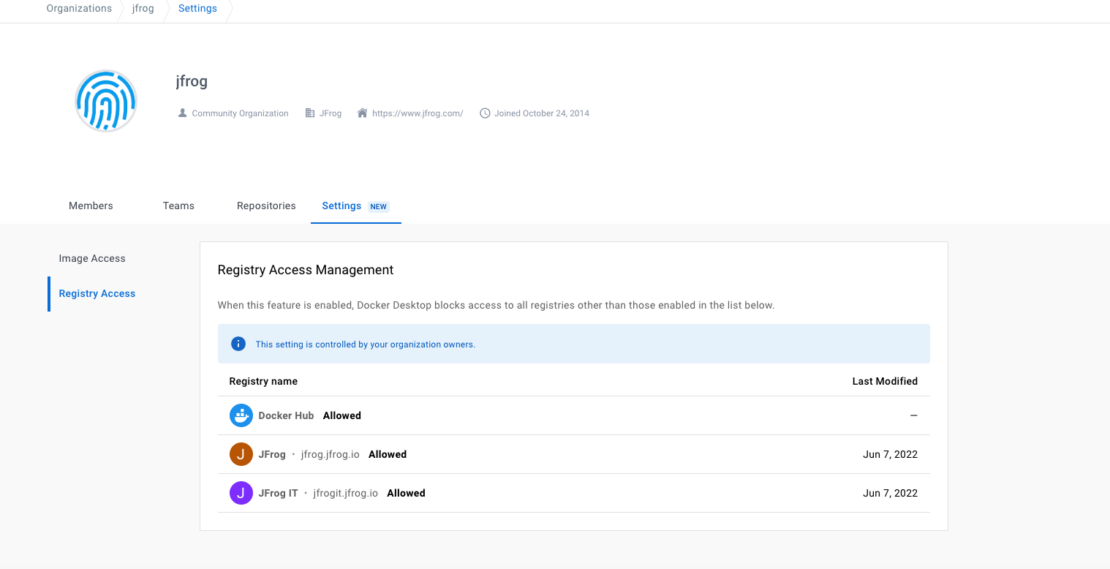
Using Docker Desktop and JFrog Artifactory for the Enterprise Docker
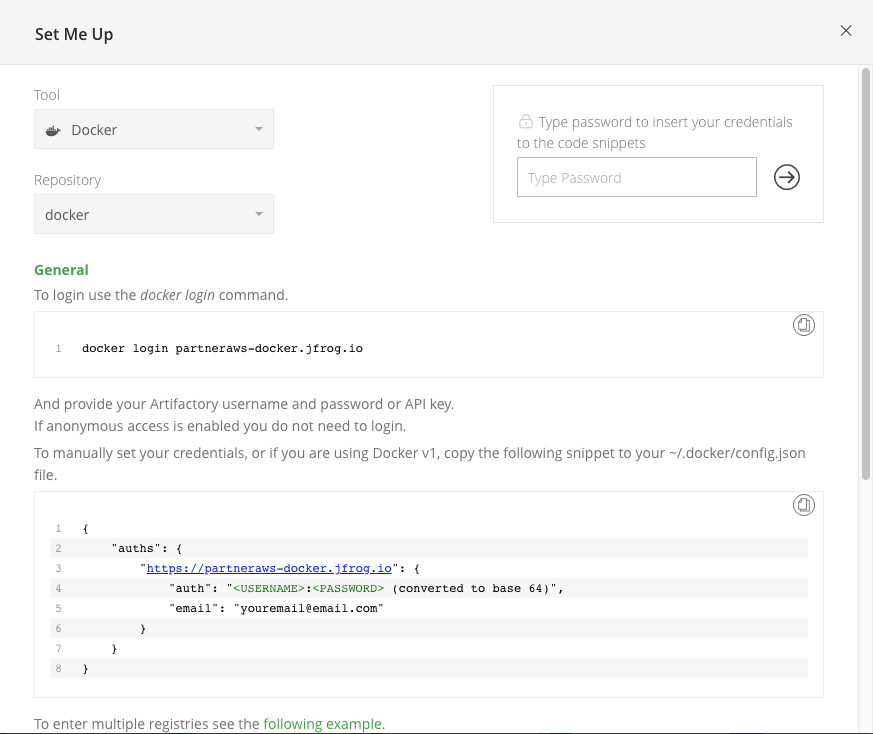
Get your own Registry in EKS using JFrog Artifactory
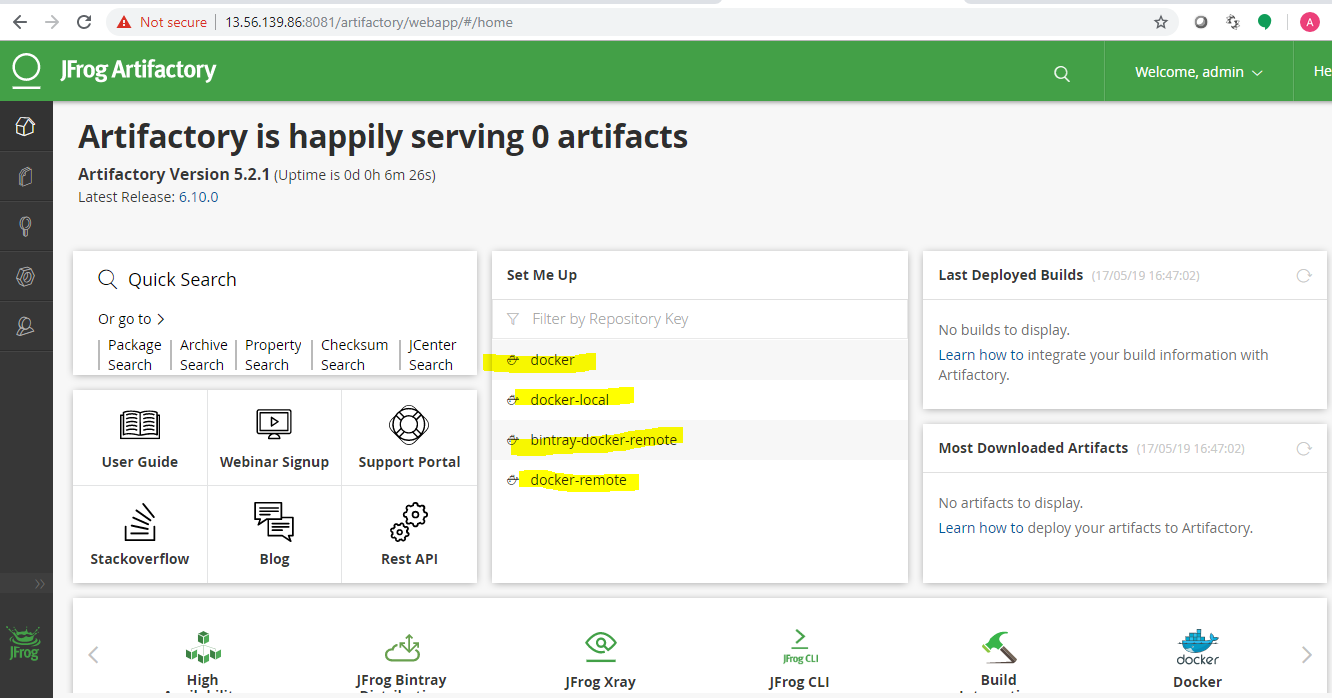
Setup Docker registry with jfrog artifactory by Avinash Kumar The Learning Destination Medium
Within 1 Minute You Can Be Set Up To Apply Docker Push And Docker Pull Using Artifactory As Your Secure, Private Docker Registry.
Log Into Artifactory From Docker:
The Steps To Use A Docker Api Key To Log In To An Artifactory Registry Are As Follows:
This Will All Be Done On An Ubuntu 16.04.
Related Post: